Indoor Team-Building Ideas
Choosing the right team building activity starts with understanding your group. Think about the team's size, energy level, and what you want people to take away from the experience. Activities that match your team's personality get better engagement than something picked solely because it...
How to Choose the Right Activity
Choosing the right team building activity starts with understanding your group. Think about the team's size, energy level, and what you want people to take away from the experience. Activities that match your team's personality get better engagement than something picked solely because it looks impressive on paper.
Practical factors narrow the options quickly. Budget per person, available time slot, and location constraints will rule out some activities before you even compare them. Per-person pricing is easiest to work with for budget approval, and activities that include venue, materials, and facilitation in one price eliminate hidden costs.
When in doubt, choose variety. Teams that have done escape rooms three times in a row are ready for something different. Mix up the format, try a new neighborhood, or choose an activity that teaches a skill. Events in Minutes lists dozens of options with transparent pricing and real photos so you can compare side by side without the guesswork.
Top Picks

Cooking and Food Workshops
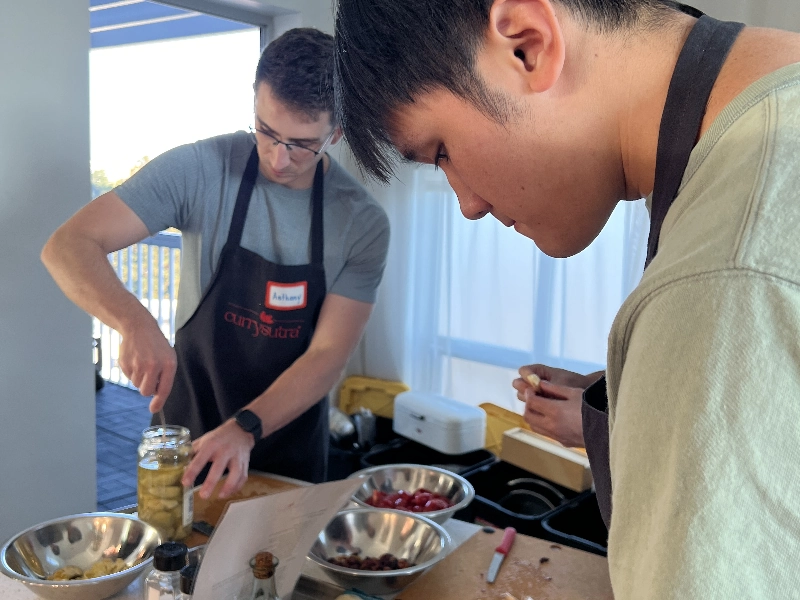
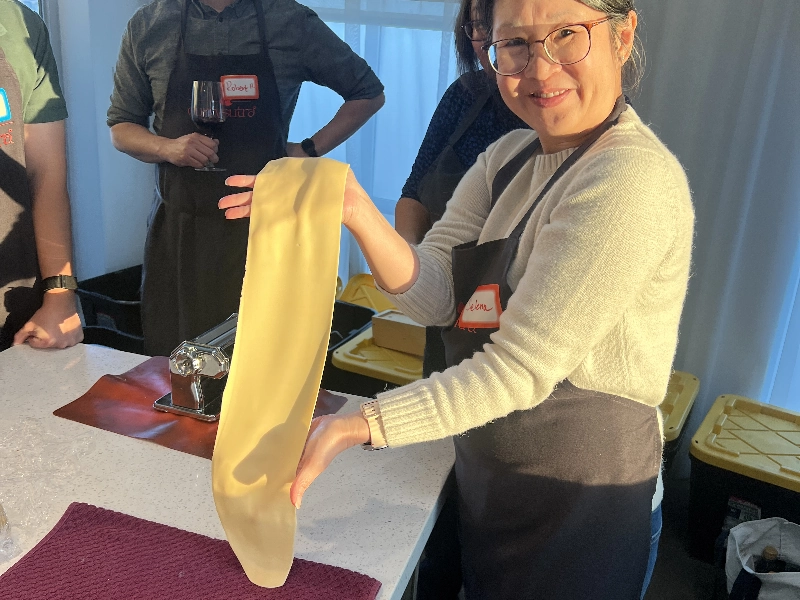
Cooking classes work indoors in dedicated kitchen spaces designed for instruction. Unlike outdoor activities, everything is controlled: temperature, equipment, ingredients, and pace. Instructors can guarantee consistency and quality regardless of conditions.
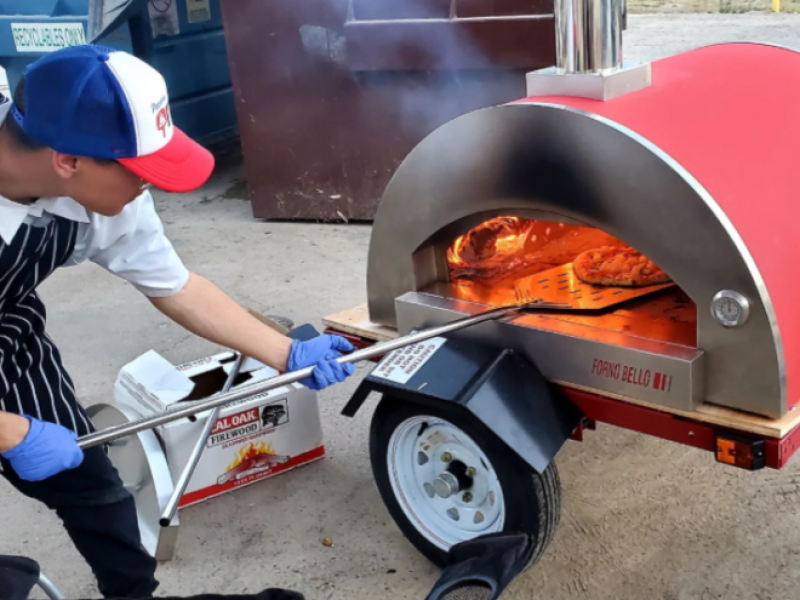
San Francisco cooking options include the Authentic Neapolitan Pizza Workshop ($85 per person, 10-20 participants, 1.5 hours). Teams learn proper pizza-making technique and create multiple pizzas they eat together. The 1.5-hour window is efficient for people with tight schedules. At $85 per person, it's accessible even for frequent team events.
Thai Cashew Nut Chicken Cooking Class ($120 per person, 8-25 participants, 3 hours) provides deeper instruction for teams comfortable with longer commitments. Three hours allows for multiple dishes, more detailed technique discussion, and a proper sit-down meal at the end. The smaller group cap (8-25) ensures everyone gets hands-on attention.
Fresh Spring Roll Making ($90 per person, 4-50 participants, 1.5 hours) offers something lighter and quicker for teams that want food-focused activities without heavy cooking. Spring rolls are forgiving for beginners, yet still require technique. People feel accomplished eating food they made, even if it seems simple.
Kimchi Making Workshop ($100 per person, 4-50 participants, 2 hours) teaches fermentation and preservation techniques. The appeal here goes beyond just cooking. Teams learn food culture, chemistry, and patience. Everyone takes home a jar of their creation to monitor as it ferments, extending the team connection beyond the single event.
Why cooking works: People need to eat. Making food together satisfies both the activity requirement and the hunger requirement, killing two birds with one event. The meal at the end is a natural conclusion that feels earned.
Art and Creative Workshops
Art workshops lower the barrier to creativity by providing structure and instruction. People don't need to be artistic. They follow guidance and make something that surprises them. The creative output becomes secondary to the process of creation, which relieves performance anxiety.
Art Workshop: Charcoal & Oil Painting ($90 per person, 4-60 participants, 1.5 hours) teaches fundamental painting techniques using accessible materials. Groups work on individual pieces, but the shared learning creates connection. The 1.5-hour window is tight enough to maintain focus without overwhelming beginners.
Creative Resin Coaster Workshop ($90 per person, 5-60 participants, 1.5 hours) creates functional art in a short timeframe. Coasters are small, manageable, and useful. The chemical process of resin curing adds an educational element. Teams learn about material properties while creating.
Creative String Art Workshop ($85 per person, 4-100 participants, 2 hours) builds geometric art using string and nails. This activity appeals to teams that might shy away from paint or clay. String art feels more structured and less "artistic" than painting, which appeals to analytical minds.
Drawing Workshop: Unlocking Creativity ($90 per person, 4-60 participants, 1.5 hours) teaches drawing fundamentals and addresses common beliefs like "I can't draw." Instructors demystify the process, showing that drawing is a learnable skill, not a talent. By workshop end, people have created drawings they're proud of.
Fluid Art Bear Painting ($95 per person, 4-40 participants, 1.5 hours) uses flowing paint and techniques that produce stunning results quickly. The visual appeal matters here. People leave with beautiful artwork they created, not just a completed activity.
Fluid Art Workshop: Creative Pour Painting ($90 per person, 4-60 participants, 1.5 hours) follows similar principles with different aesthetics. Pouring paint creates abstract art that's hard to mess up. You can't paint the "wrong" abstract. This removes perfectionist anxiety from the experience.
Linocut Printmaking ($90 per person, 4-60 participants, 1.5 hours) teaches relief printing. The technical skill component appeals to people who appreciate precision. Carving into linoleum is satisfying tactilely. The final prints feel more substantial than quick paintings.
Pressed Flower Frame Artistry ($85 per person, 4-60 participants, 1.5 hours) takes a nature-based approach. Teams select and arrange preserved flowers into frames, creating botanical art. This appeals to teams interested in nature without requiring outdoor conditions.
Why art works: Everyone gets to be creative without prior skills. The variety of art types means there's something for people who like precision, people who like abstraction, people who like structure, and people who like flow. Flexibility is key.
Why Indoor Team Building Creates Real Connection
Indoor activities work because they create shared experience under controlled conditions. There's no distraction from weather, no anxiety about canceled plans. People show up knowing exactly what to expect, which paradoxically makes them more relaxed and more present.
The variety of indoor options means you can match activities to team preferences rather than forcing one generic approach. Over time, cycling through different activities reaches different team members. Some people will never love escape games but will thrive in art workshops. Some will hate painting but love cooking. Variety ensures everyone finds something that resonates.
Finally, indoor activities tend to feel more manageable than outdoor ones. A company picnic at an unknown park creates logistical anxiety. An indoor workshop in a dedicated space with trained instructors feels professional and intentional. People relax into experiences that feel properly organized.
Escape Games and Puzzle Challenges
Escape games force collaboration and creative problem-solving. Teams must communicate, share information, and delegate tasks to solve puzzles before time runs out. There's no way around the requirement to work together. Either the team succeeds by communicating well or fails by miscommunicating.
The Playground Escape Room ($50 per person, 4-12 participants, 1 hour) provides an approachable entry point for teams new to escape experiences. Smaller group size (4-12 people) means everyone gets involved. An hour is long enough to experience real challenge without exhausting mental energy. Pricing at $50 per person makes it accessible for smaller teams on limited budgets.
For larger groups, the Amazing Escape Race ($150 base plus $85 per person, 10-1,000 participants, 2 hours) scales better. The base fee covers instructors and setup. The per-person rate makes larger events economically feasible. A group of 50 people pays $150 + (50 x $85) = $4,400, or $88 per person. A group of 100 pays $150 + (100 x $85) = $8,650, or $86.50 per person. Pricing actually improves as you scale.
The 2-hour duration gives enough time for meaningful challenge. Unlike a quick puzzle, a 2-hour escape experience lets teams encounter false leads, dead-end approaches, and the satisfaction of working through them. That's where real bonding happens.
Why escape games work: They create natural team roles. Some people find physical clues. Others decipher puzzles. Still others coordinate and delegate. This role differentiation lets people contribute according to their strengths. Success feels collective because it was.
Pottery and Ceramics
Pottery combines art and craft with a satisfying tactile element. Working with clay is inherently calming. The learning curve is steep enough to feel meaningful but not so steep that beginners get frustrated.
Ceramics: Wheel Throwing & Handbuilding ($99 per person, 1-10 participants, 2 hours) teaches both techniques. Wheel throwing is iconic pottery, dramatic, and fun. Hand-building teaches sculptural thinking. Learning both in one session gives people versatility and broader appreciation for the craft.
Private Pottery Workshop: Hand-Building & Wheel Throwing ($235 per person, 1-10 participants, 2 hours) offers essentially the same experience with a premium quality and highly individual attention. The per-person cost is higher, but groups are smaller, instructor attention is more focused, and the quality of output reflects that investment.
Both pottery options let participants take home what they create (after firing). The pieces are functional or decorative, serving as ongoing reminders of the team experience. A mug made during a team event gets used repeatedly, extending the connection.
Why pottery works: The process is meditative yet engaging. Teams that try pottery together often describe it as surprisingly relaxing. The learning challenge keeps things interesting while the physicality of working with clay provides stress relief. You get both relaxation and accomplishment.
Candle and Soap Making
Fragrance and craft workshops appeal to teams looking for something different from typical activities. Making candles or soap involves chemistry, creativity, and produces something practical that people use daily.
Handcrafted Pillar Candle Making Workshop ($95 per person, 4-60 participants, 1.5 hours) teaches candle construction while offering scent customization. Teams can blend scents, creating candles reflecting their collective preferences. The result is fragrant art they take home.
Handcrafted Soap Making Workshop ($90 per person, 4-60 participants, 1.5 hours) teaches soap chemistry and design. Participants create multiple bars with custom colors and scents. Like candles, soap is something people use regularly, making it a daily reminder of the team event.
Botanical Candle (Instructor Travels) ($59 per person, 4-45 participants, 1.5 hours) brings the instructor to your location, useful if you have a dedicated space. At $59 per person, it's one of the more affordable indoor options while still delivering quality instruction.
Why candle and soap work: These activities combine chemistry education with practical craftsmanship. The resulting products are gift-quality, useful for daily life, and scent-evocative in ways that extend memory of the event.
Comparison of Indoor Team-Building Options
| Activity Category | Example Activity | Price/Person | Duration | Best For |
|---|---|---|---|---|
| Escape Games | Playground Escape Room | $50 | 1 hour | Problem-solving teams |
| Cooking | Pizza Making | $85 | 1.5 hours | Food lovers |
| Painting | Charcoal & Oil | $90 | 1.5 hours | Creative groups |
| String Art | Creative String Art | $85 | 2 hours | Geometric minds |
| Fluid Art | Pour Painting | $90 | 1.5 hours | Stress relief seekers |
| Pottery | Wheel Throwing | $99 | 2 hours | Hands-on learners |
| Candle Making | Pillar Candles | $95 | 1.5 hours | Aromatherapy fans |
| Soap Making | Handcrafted Soap | $90 | 1.5 hours | DIY enthusiasts |