3 Fun Food Team-Building Ideas in San Francisco
Food is the ultimate team-building catalyst. San Francisco offers hands-on cooking classes ($85-195 per person), wine tastings, and culinary experiences that naturally create collaboration. Whether your team learns to make pasta, craft wine pairings, or create charcuterie boards,...
Quick Summary
Food is the ultimate team-building catalyst. San Francisco offers hands-on cooking classes ($85-195 per person), wine tastings, and culinary experiences that naturally create collaboration. Whether your team learns to make pasta, craft wine pairings, or create charcuterie boards, food-focused activities build communication, creativity, and genuine bonds without feeling like forced team building.
How to Choose the Right Culinary Experience
Picking a cooking-based team building activity comes down to three things: group size, dietary needs, and the kind of interaction you want. Hands-on cooking classes work well for groups that want to collaborate on a shared project, while tasting experiences are better for teams that prefer a more relaxed, social atmosphere.
Consider the logistics too. Some venues handle everything from ingredients to cleanup, while others need more coordination from your end. Budget matters as well: per-person pricing is easier to predict for larger groups, while fixed-rate options can be more economical for smaller teams. Check whether the venue can accommodate dietary restrictions before booking, since that can narrow your options quickly.
If your team includes people who have never cooked together before, look for activities with a structured format and a professional instructor. The guided format keeps everyone engaged without putting pressure on anyone to lead. Events in Minutes lists duration, group size, and pricing upfront so you can compare options without sending multiple inquiry emails.
Top Picks
Why Food-Based Team Building Actually Works
Food brings people together in ways that nothing else can. There's science behind this. When people eat together, their brain chemistry shifts. Stress decreases. Empathy increases. Conversation flows naturally. You're not sitting in a boardroom table trying to brainstorm ways to improve communication. You're laughing and eating and being human together.
Food-based team building is also concrete. You're not doing abstract trust exercises. You're making something real. Your team creates food together, and then you eat it together. That's a tangible accomplishment that people can taste and feel proud of.
San Francisco is one of the best cities in America for food team building. The culinary culture is rich. The talent is deep. You can find instructors who are passionate about their craft and genuinely excited to teach groups. That enthusiasm makes a difference. People sense when an instructor cares about what they're teaching, and it changes the entire experience.
Idea 3: Specialized Food-Creating Workshops
Beyond cooking classes, there are specialized food-creation workshops that are fun and interesting. Charcuterie board creation. Cheese pairing. Chocolate making. Candy creation. These activities are shorter than cooking classes (often 1-1.5 hours) but they create a finished product people can take home or enjoy immediately.
A charcuterie board workshop works like this: everyone gets a wooden board and a selection of cheeses, cured meats, breads, and garnishes. The instructor explains how to balance flavors and arrange items for visual appeal. Then everyone builds their own board. At the end, everyone displays their board and you have a gallery of creations. It's creative, it's fun, and it's way faster than cooking a meal from scratch.
Chocolate making and candy creation workshops follow a similar pattern. You learn a technique. You make something yourself. You take it home or eat it immediately. People feel like they've accomplished something and they have a tangible result.
These shorter activities work well for teams that don't have a full 3 hours. They also work well as part of a larger event. You might do a morning charcuterie board workshop (1 hour), then lunch, then a creative workshop in the afternoon. The variety keeps energy high.
| Food Activity Type | Duration | Cost Range | Best For |
|---|---|---|---|
| Hands-On Cooking Class | 2-3 hours | $110-195 per person | Teams wanting in-depth learning and shared meal |
| Wine Tasting with Pairings | 1.5-2 hours | $60-120 per person | Adult teams (21+), sophisticated vibe, conversational |
| Charcuterie Board Creation | 1 hour | $95 per person | Teams with limited time, want creative but not cooking |
| Chocolate or Candy Making | 1.5 hours | $100-120 per person | Teams wanting something sweet and hands-on |
| Brewery or Winery Tour | 2-3 hours | $50-100 per person | Teams wanting to visit a producer, learn craft |
| Farm-to-Table Dinner | 3 hours | $80-150 per person | Teams wanting to eat at a special place with education |
Why Food Activities Beat Other Team-Building Options
Trust falls. Icebreakers. Escape rooms. Scavenger hunts. These activities exist, but they feel forced. People know they're supposed to bond, so they show up with skepticism. Food activities feel different. People want to eat. People want to learn to cook. People want to taste wine. The motivation is intrinsic, not external. This changes everything.
Food activities also work for all personality types. Introverts, extroverts, people who hate public speaking, people who are shy. Everyone eats. Everyone can make something. Everyone can taste something. There's no spotlight. Everyone is equally capable or incapable. That creates a level playing field where people can relax and be themselves.
Food activities also create sensory memories. You remember the taste of pasta you made yourself. You remember the flavor of that wine pairing. You remember how delicious the chocolate was. These memories stick longer than memories of an afternoon sitting in a conference room.
Idea 1: Hands-On Cooking Classes with Shared Meals
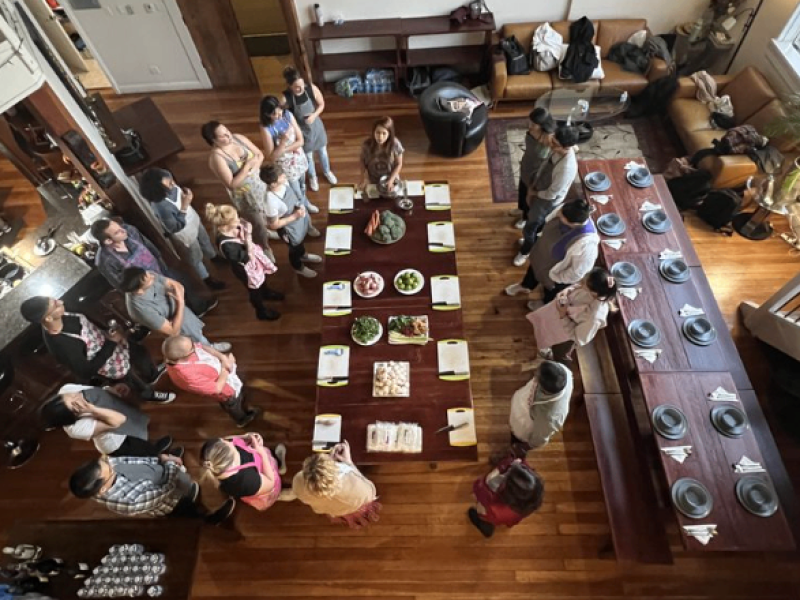
The most straightforward food team-building activity is a hands-on cooking class where everyone participates. You pick a cuisine or dish type. Everyone makes it together. Then everyone eats it together.
The magic happens in three phases. First, the learning phase. The instructor demonstrates techniques. Your team watches and asks questions. This is active, focused time where everyone is learning together. Second, the making phase. Everyone gets their own station and makes their version of the dish. This is where collaboration happens. People help each other. Someone finishes early and helps someone who's struggling. The fast people slow down. The slow people get support. This natural collaborative flow builds team dynamics better than any formal team-building exercise.
Third, the eating phase. Everyone sits down and eats what they made. This is the reward. You're tasting the fruit of your labor. There's pride. There's conversation. There's laughter about whose dish is more rustic versus polished. No one is perfect, and that's perfect. It levels everyone out.
San Francisco has excellent cooking class options for groups. Pasta-making classes are popular and work well for any team size. Thai cooking classes are energizing. Risotto and contemporary cooking classes feel sophisticated. Pick a cuisine that matches your team's interests or a cuisine that at least one team member is passionate about.
Idea 2: Wine and Food Pairings with Tasting Education
If your team is 21+, wine tastings with food pairings are a sophisticated, adult way to bond. These aren't stuffy wine snob experiences. They're interactive, fun, and educational.
A typical wine and food pairing experience works like this: a sommelier or wine educator leads the group through 4-5 wines, usually paired with complementary cheeses, chocolates, or small bites. Before each tasting, the educator talks about the wine. Where it's from. How it's made. What flavors to expect. Then everyone tastes it together. Then the educator talks about why this wine pairs with this food. Then people taste the pairing and discuss.
This creates natural conversation. People who know about wine can show off a little. People who don't know about wine are learning in a judgment-free environment. Everyone gets to taste and share what they taste. There's room for your palate to be different from someone else's, and that's fine. Wine tasting is subjective. You can describe a wine differently than your coworker and both be right.
Wine experiences also feel special. They feel like you're celebrating something. They're not regular work. People appreciate the investment. They remember wine tastings months later and bring them up in casual conversation.
The cost of wine tastings varies. You can do it locally in San Francisco (wine bars sometimes host group tastings) or you can do a field trip to Napa or Sonoma if you want something bigger. A local tasting in the city is 1.5-2 hours and costs $60-120 per person. A full-day Napa wine tour is 6 hours and costs more but includes more wineries and a meal.
Wine Pairing Example: Chocolate & Wine
Some companies do wine and chocolate tastings. These are sweeter, more dessert-oriented, and attract people who might not be wine lovers. Chocolate is universal. Wine and chocolate together feel indulgent. It's a treat. Teams love it.
Combining Food Activities with Other Team-Building Elements
Food activities don't have to stand alone. You can combine them with other elements to create a richer experience. For example: morning yoga or a short walk to build energy, then a cooking class, then a group meal. Or: a wine tasting in the afternoon, followed by informal dinner at a nearby restaurant where people can continue conversations.
The key is pacing. You want a mix of focused activity (the cooking or tasting) and relaxed time (the meal afterward). You want some instruction and some free time. You want energy and calm. Food activities are naturally good at this because the eating component itself creates calm and social time.
Handling Dietary Restrictions and Preferences
Any food-based team-building activity requires upfront communication about dietary needs. Ask your team in advance: Do you have allergies? Vegetarian? Vegan? Religious dietary restrictions? Preferences against certain cuisines?
Good instructors can adapt. A cooking class doesn't require meat. A wine tasting can include non-alcoholic options. A charcuterie board workshop can use vegan cheeses. The key is asking when you book so the instructor can prepare.
If you have team members with significant dietary restrictions, you might choose an activity that naturally accommodates. Thai cooking can be vegan-friendly. Pasta-making can be made with vegetable-based pasta. Wine and chocolate pairings are naturally inclusive. Choose activities where adaptation is easy, not activities that require major changes.
The ROI of Food Team-Building
You invest money in a food team-building activity. What do you get back? Stronger relationships. Better communication. Higher morale. People feel valued. They remember that the company invested in them. They talk about the experience with their families. When they interview for other jobs, they mention how their company does nice things for them.
You also get cultural impact. After the activity, people reference it. "Remember that pasta-making class?" becomes part of team shorthand. It's a shared memory that bonds people together. That's worth more than the direct cost.
Teams that do regular food-based activities report better communication, lower turnover, and higher engagement scores. It's not a coincidence. Food creates connection. Connection creates trust. Trust creates better teamwork.
Ready to plan a food team-building event?
Events in Minutes has dozens of cooking classes, wine tastings, and food creation workshops available in San Francisco. Browse options and book in minutes.
Browse Food Team-Building ActivitiesRelated Reading
3 Fun Italian-Themed Team-Building Activities in San Francisco - Specific Italian cooking options
Birthday Ideas to Boost Employee Morale - Celebrating individuals with food experiences
Offsite Team-Building Ideas - Incorporating food into larger offsite plans
Unique Team-Building Activities for Corporate Teams - More creative team-building options beyond food
''' print(html_content)Compare All Activities at a Glance
| Activity | Location | Duration | Group Size | Price |
|---|---|---|---|---|
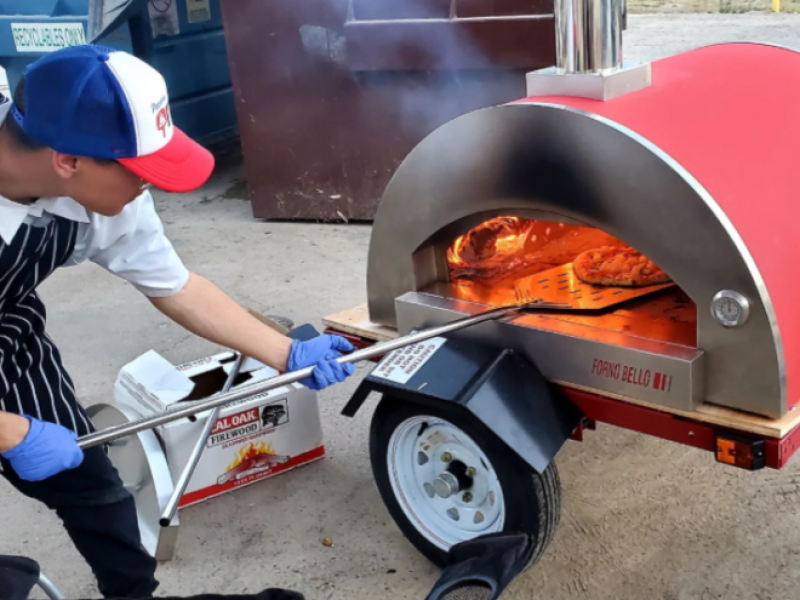
| NY-Style Pizza at Your Location | Travels to You | 2 hours | 7-50 | $99/person |
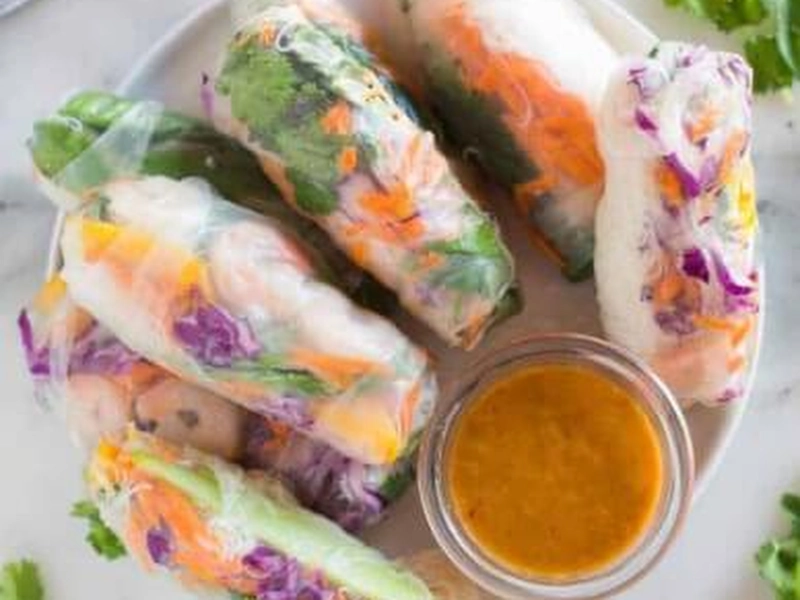
| Fresh Spring Roll Making (Instructor Travels) | Travels to You | 1.5 hours | 4-50 | $90/person |
| Thai Basil Chicken Cooking Experience | San Francisco | 3 hours | 8-25 | $120/person |
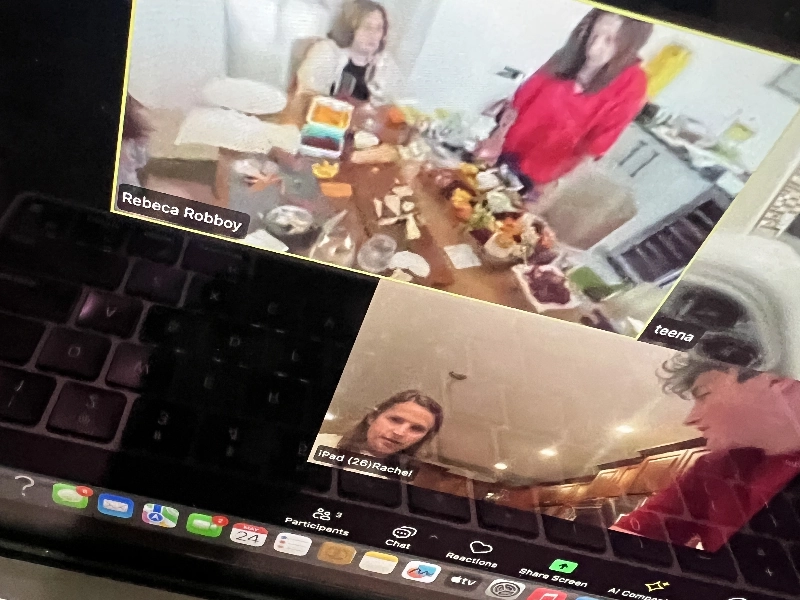
| Virtual Cheese & Charcuterie Board | Virtual | 1 hour | 8-500 | $95/person |
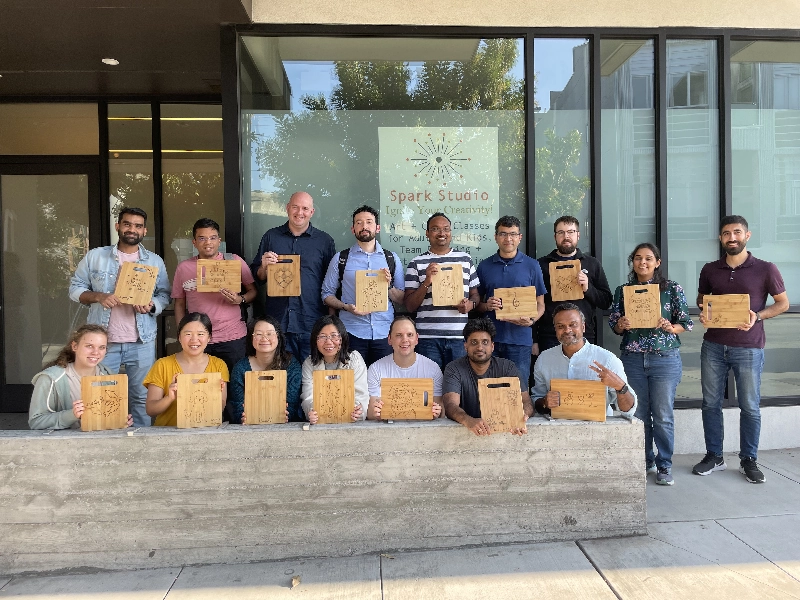
| Wood-Burning Cheese Board Workshop | San Francisco | 2 hours | 1-25 | $95/person |
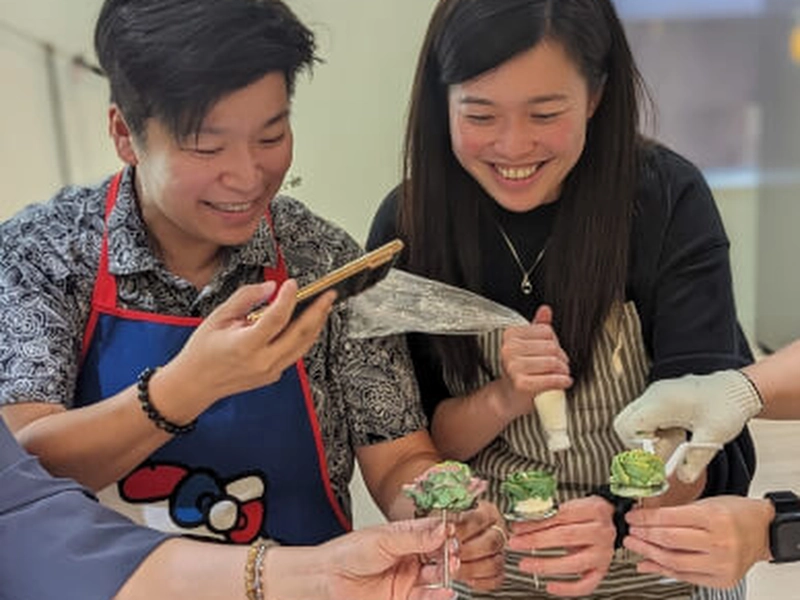
| Buttercream Cupcake: Succulent Design | Travels to You | 1 hour | 10-500 | $80/person |